Renovations that pay off: which investments truly increase apartment value
03.06.2026
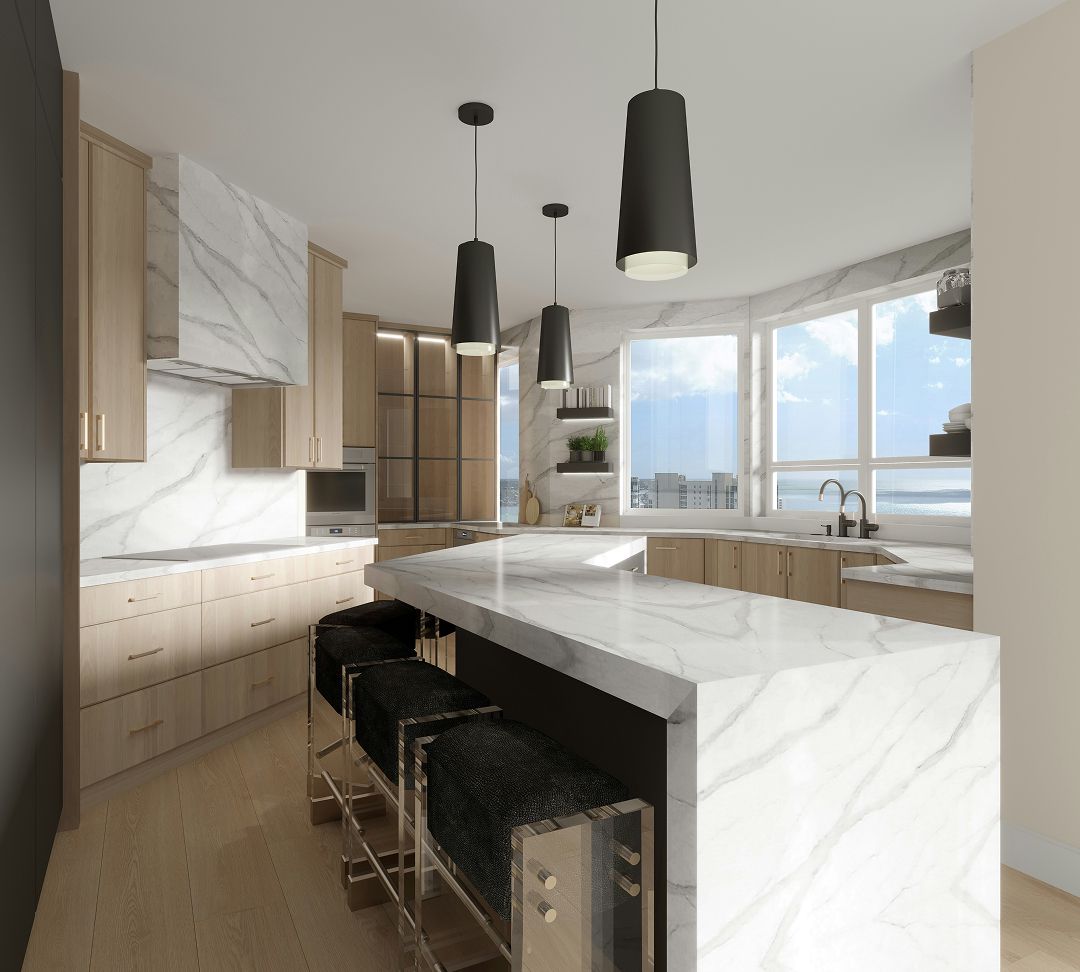
One of the most common dilemmas for apartment owners is whether and how much to invest in renovations — especially if they're planning to sell in the next few years. The logic seems simple: a renovated apartment sells for more. But reality is a bit more complicated. Some investments truly return the full amount and then some. Others, no matter how nice they look, don't find the same buyer with the same taste. And some, paradoxically, decrease the listing's value.
This guide is based on real data from the Macedonian market and experiences of sellers and agencies, aimed at helping you make an informed decision before you spend your first denar.
The principle of return on investment
Before we dive into specifics, it's important to understand the basic principle. Renovations on average return between 50 and 80 percent of the investment upon sale. This means that if you invest 10,000 euros in renovations, you can expect the listing price to increase by between 5,000 and 8,000 euros — not the full 10,000. There are exceptions that return more, but these are rare and predictable.
The remaining 20 to 50 percent of the investment is "spent" on better quality of life while you still live in the apartment, better negotiating position, and faster sale. These elements aren't visible in the price, but they're real benefits that should be included in the calculation. An apartment that sells for 110,000 euros in two weeks is often a better result than an apartment that sells for 115,000 over four months, especially if you already have a deal to buy a new apartment.
Renovations that truly pay off
The bathroom is typically the investment with the highest return. A renovated bathroom — new tiles, new shower cabin or tub, new fixtures, good ventilation — can increase the perceived quality of the apartment much better than any other room. Buyers often judge apartments by how old or young the bathroom looks. An investment of 3,000 to 5,000 euros in an average bathroom usually returns in full or more.
The kitchen is second in priority. We're not talking about luxury interiors — we're talking about a functional, clean, well-lit kitchen with modern appliances. Replacing an old stove, a good oven, a new sink, decent cabinets — that's what buyers value. A kitchen renovated with a reasonable budget of 4,000 to 7,000 euros usually returns all of that and sometimes exceeds it, because it reflects on the "overall freshness" of the apartment.
Windows and thermal insulation are sometimes overlooked, but have enormous impact. Replacing old wooden frames with PVC or aluminum offers two advantages — reduced heating bills that the buyer values, and better comfort and sound insulation. For a 60-square-meter apartment, an investment of 2,500 to 4,000 euros in windows often returns in full, and significantly improves the listing's rating.
Floors are crucial if they're visibly damaged. Old, scratched parquet or linoleum that looks like the seventies creates a negative first impression before the buyer even walks around the apartment. Replacing flooring with modern laminate or new parquet, with a budget of 15 to 25 euros per square meter, is an investment that almost always pays off. With 60 square meters, that's between 900 and 1,500 euros that transform the entire impression of the space.
Lighting and wall color are the cheapest way to refresh an apartment. Fresh, neutral paint on all walls (white, light gray, beige — never bright colors), new paint before the sale itself, sometimes gives an effect similar to much larger investments. Budget: 200 to 600 euros, and the effect is often dramatic.
Renovations with limited return
Complete replacement of utilities (electricity, water, heating) is expensive and not always visible to the buyer. If existing utilities are functional, replacement is a hidden cost that the buyer doesn't notice from the listing. It's worth the investment only if there's a real problem — older than 50 years, short circuits, leaking pipes. If this is happening — it must be fixed, but don't expect an investment of 5,000 euros to translate into 5,000 euros in additional price.
Luxury fittings in an average neighborhood often don't find a buyer. Italian kitchens, marble tiles, expensive parquet floors — all of these make sense only if the buyer is paying a premium for luxury. In an average apartment in Aerodrom or Čair, such investment doesn't return fully, because buyers purchasing that segment aren't prepared to pay for something they won't use.
Partitioning spaces and extensive structural changes are often underestimated. Not only are they expensive, but they often require project documentation and permits. If you're planning major changes, ask yourself whether it's for you (because you plan to live there for a long time), or for the buyer (which isn't certain they'll appreciate).
Renovations that can hurt
Surprisingly, some investments are considered a negative on the market. Overly personalized solutions — for example, upholstered walls, ceilings painted in bold colors, unusual tiles — narrow the circle of buyers. An apartment with happy yellow walls in the living room may be excellent for you, but for the buyer it means additional work and expense.
Renovating without good planning is a bigger mistake than doing nothing. An apartment with half-finished renovations — rooms with new tiles and rooms without, a kitchen with a new oven but old sink, new bathroom and old kitchen — looks messy and tells the buyer that the work lacks a systematic approach. If you're going to renovate, renovate to completion or don't start.
When is the best time to renovate
If you're planning to sell in the next 12 to 18 months, that's the best window for strategic renovating. You have enough time to complete it properly, not too much to lose the benefit of freshness. Renovating three to four months before listing is optimal.
If you're planning to sell immediately, then limit yourself to "quick wins" — repainting, minor repairs, cleaning, replacing damaged elements. A quick cosmetic refresh for 1,000 euros can give an effect that expensive renovation would give for five times more.
If you're not planning to sell in the near future, then renovate for yourself, for your everyday comfort. What you do for your own enjoyment doesn't have to return the cost upon eventual sale — but it brings you real value in the meantime.
How to make the right decision
Before you start any work, ask yourself: does this renovation make the apartment more attractive to more potential buyers, or only to a specific type? Larger circle = greater likelihood of quick sale at a good price. More specific circle = greater risk of waiting a long time.
Hommex's Smart Geolocation tool shows what's in the area around a specific listing, and from that you can estimate what kind of buyer is most likely to appear. An apartment near schools usually sells to families, and they don't want too much luxury — they want functionality and quality. An apartment in the central area often sells to young professionals who value modern interiors. Knowing who your buyer is helps you make better renovation decisions.
Related articles
How to prepare your apartment for sale
02.07.2026
How to set the right price when selling an apartment in Skopje
27.04.2026
Renting or buying in North Macedonia in 2026 — what's smarter?
13.04.2026
How to Make a Small Apartment Look Bigger: Visual and Practical Tricks
23.07.2026
Short-term rental: basics for Airbnb-style letting in Skopje
22.07.2026
Ǵorče Petrov: more space for less money on Skopje's western edge
16.07.2026

Debar Maalo: the bohemian pocket of Skopje's center
14.07.2026
Čair and Gazi Baba: Skopje's affordable market with untapped potential
09.07.2026
Taftalidže: the quiet premium zone between Karpoš and the center
07.07.2026

Buying Property as a Foreigner in North Macedonia
12.06.2026
New build or old: which is the better choice for your next apartment
10.06.2026

Hommex Expands to Serbia: What the Expansion Means for the Real Estate Market in the Region
18.05.2026