Renting an apartment in Skopje: what to check before signing the contract
13.05.2026

Renting an apartment seems like a simpler decision than buying, but there are pitfalls here too that can cost you a lot of money, time, and nerves. A lease agreement binds you to monthly payments, deposits, and sometimes hidden costs you haven't anticipated. This guide covers everything you need to check before signing — from the physical condition of the apartment to contractual clauses that even experienced tenants often miss.
Average rental prices for an apartment in Skopje at the beginning of 2026 range from around €250 per month for smaller one-bedroom apartments in peripheral areas, to over €800 for larger and renovated apartments in central locations. There's a steady growth in rents of around seven to ten percent annually, which means a good deal now could be real security for the next few years.
First step: ownership verification
Before entering into a discussion about terms, make sure the person you're talking to is actually the owner of the apartment, or is authorized by the owner to rent it. This isn't paranoid precaution — every year there are cases of "fraudulent rentals" where someone shows other people's apartments, asks for deposits, and then disappears.
Ask for a property deed from the cadastre no older than 30 days, or a copy of it. The owner should show you their ID card and allow verification that the name on the property deed matches theirs. If the apartment is being rented by an intermediary or agency, you must have written confirmation from the owner that the agency is authorized.
Physical inspection of the apartment
When viewing the apartment, don't limit yourself to a general impression. Check specific things that will be problems later if you miss them.
First, check all water points. Turn on all taps, check the drains, look under the shower and under the sink for signs of leaks. Moisture in the walls is the most common hidden problem in Skopje, especially on lower floors, in basement apartments, and in buildings without thermal insulation.
Second, check the electricity. Plug in all outlets (bring a charger with you) and all lights. Check the circuit breakers, especially for the water heater and electric stove if they're present. Old installations often can't handle modern consumption and can cause panics.
Third, check the condition of the windows and thermal insulation. Skopje winters are harsh, and an apartment with old wooden joinery can be a nightmare in January. Ask about monthly heating and electricity bills from last winter — if the owner doesn't want to show them, that's a sign in itself.
Fourth, check the walls and ceiling for cracks, moisture, or traces of additional plastering that could be hiding something. Skopje's seismic zone means cracks aren't rare, but you need to know which are structural and which are just cosmetic.
What to check about the surroundings
An apartment that looks perfect on a Wednesday afternoon may be quite different on a Friday evening. Hommex's Smart Geolocation tool helps you see what's in the area — cafés, supermarkets, pharmacies, schools — but physical verification remains essential. If possible, visit the apartment at least twice, on different days and at different times.
Ask about traffic around the building during morning hours. Ask if there are new construction projects in the immediate vicinity, because a construction site across the street means two years of noise. Check parking if you have a car — finding a spot in the evening in some parts of Skopje is a real challenge.
Contractual clauses that are often missed
The lease agreement is a legal document and deserves careful reading, no matter how tired you are from the search. Several clauses deserve special attention.
The deposit should be clearly defined — usually it's one month's rent, but some landlords ask for two. The contract must state under what conditions the deposit is returned, how many days after moving out, and what is considered "normal wear and tear" versus damage. Without this clause, you risk uncertain interpretation when you move.
The length of the contract and termination conditions are crucial. A standard lease agreement in Macedonia lasts one year, but different landlords require different conditions for early termination. Ask specifically — if you need to move after six months, how much notice must you give and do you risk losing the deposit.
Rent increases must be explicitly stated. If the contract is silent on this topic, you have the right to the same rent for the entire period. If there's a clause for increases, it should be limited and predictable — not "at the landlord's discretion," but according to a specific rule (for example, not more than inflation or not more than a certain percentage).
Who pays what must also be explicit. The tenant usually pays electricity, water, heating, communal costs, and internet, while the owner pays annual property tax. However, for some items there are interpretations — for example, repairs to the water heater or plumbing installations often become the subject of dispute. The contract should say who pays what in which cases.
What to do when signing
When the contract looks ready for signing, do another condition check of the apartment. It's better if both parties are present and a written or photographed list is made of all existing damages, minor defects, or things that are on the verge of proper functioning. This list is attached to the contract and protects both the tenant and the owner.
Don't pay the deposit in cash without confirmation. Ask for written confirmation (or a bank transfer that leaves a trace) for every payment. This is your proof when it comes time to get the deposit back.
Keep a copy of the contract in a safe place and photograph it with your phone for backup. Contracts have a tendency to "get lost" at crucial moments when problems need to be resolved.
Hommex Chat as a tool for direct communication
One of the most useful features when renting is the ability to talk directly with the owner without the need for intermediaries. Hommex Chat allows you to ask your questions before viewing, arrange a time that suits both parties, and document key points from the conversation. Saved messages are often useful if a disagreement later arises about something that was agreed verbally.
If something doesn't look right
If at any point you feel the owner is avoiding questions, doesn't want to show documents, or is rushing the contract — simply walk away. The Skopje market offers many options, and it's better to lose one day than to pay for a mistake that will cost you months. The trustworthiness and transparency of the owner is often the best indicator of what the experience will be like throughout the year of the rental relationship.
Renting is a partnership. Both you and the owner are expected to show respect, reasonable expectations, and implementation of what was agreed. When this exists, renting can be a comfortable solution for both parties.
Related articles
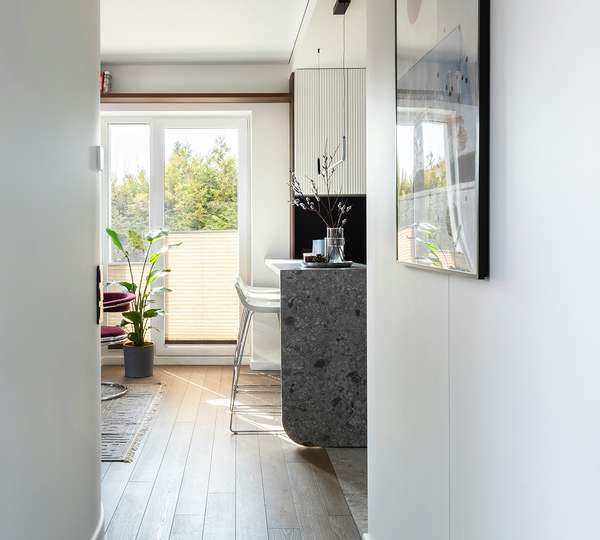
How to Make a Small Apartment Look Bigger: Visual and Practical Tricks
23.07.2026

Short-term rental: basics for Airbnb-style letting in Skopje
22.07.2026
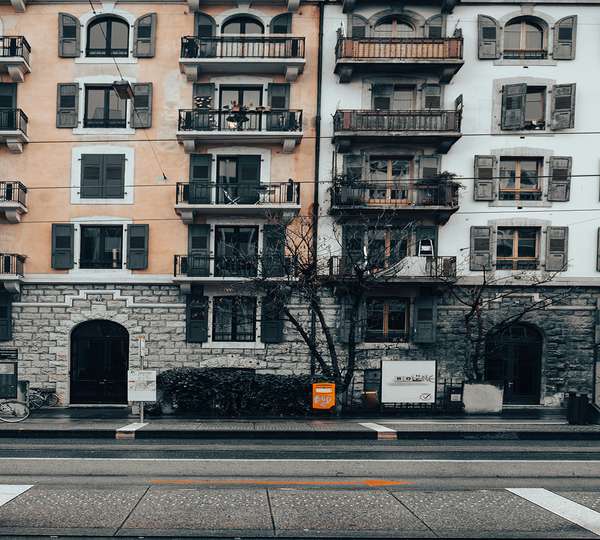
New build or old: which is the better choice for your next apartment
10.06.2026

Top 5 Neighborhoods in Skopje for Families in 2026
23.04.2026

Guide to Buying Your First Apartment in Skopje
15.04.2026
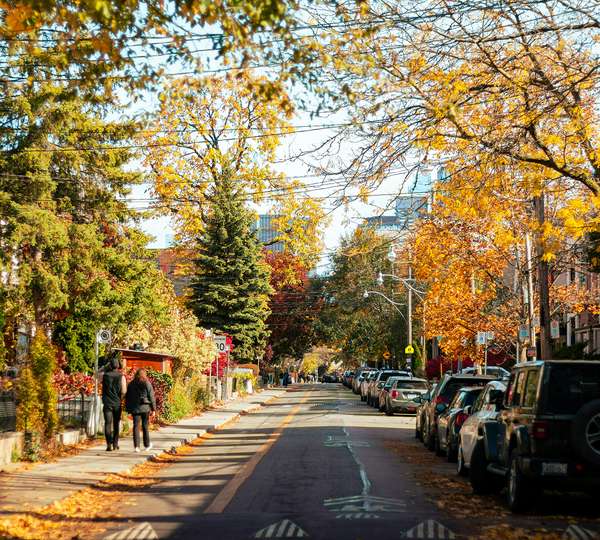
Ǵorče Petrov: more space for less money on Skopje's western edge
16.07.2026

Debar Maalo: the bohemian pocket of Skopje's center
14.07.2026
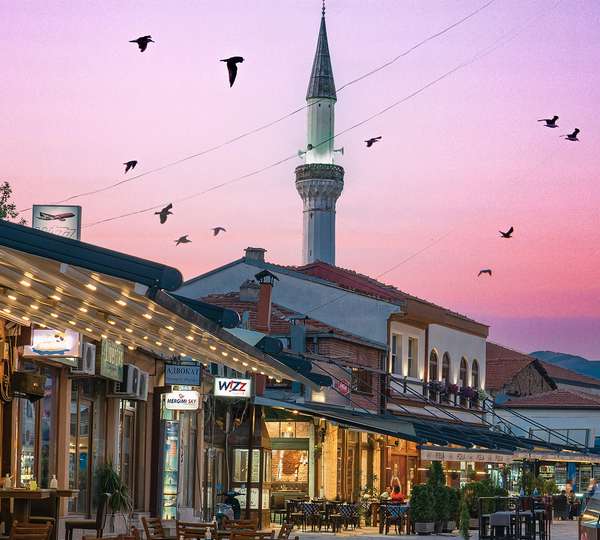
Čair and Gazi Baba: Skopje's affordable market with untapped potential
09.07.2026
Taftalidže: the quiet premium zone between Karpoš and the center
07.07.2026
How to prepare your apartment for sale
02.07.2026

Buying Property as a Foreigner in North Macedonia
12.06.2026
Renovations that pay off: which investments truly increase apartment value
03.06.2026