Buying off-plan: what you need to know before signing
04.08.2026
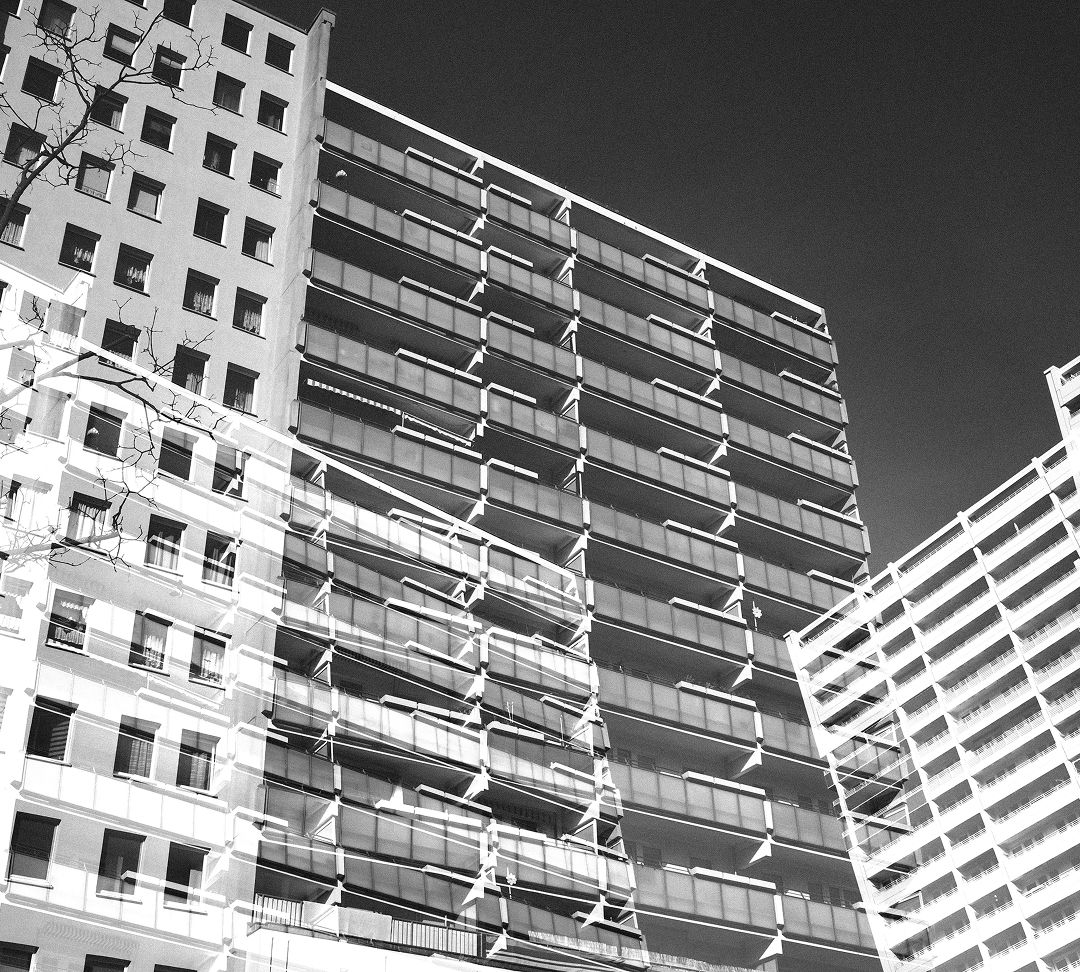
Buying a flat that isn't yet finished - known as buying off-plan or acquiring property under construction - has become a significant part of the Skopje market. Most new developments are sold before the first wall is even laid, and buyers who enter at that stage have the potential for real benefits. And for real risks.
This guide goes through both, with practical advice on how to make the process safe and how to recognise the warning signs when something isn't going as it should.
Why buyers choose this option
The main attraction is the price. A flat bought off-plan typically costs between ten and fifteen percent less than an identical finished flat in the same building on the open market. For a flat worth one hundred thousand euros, that's a difference of ten to fifteen thousand euros - a serious sum that's easily justified.
The second advantage is choice. When you buy off-plan, you have a choice of floor, orientation, layout, and sometimes even specifics within what's permitted - type of tiles, wall colours, type of kitchen units. With a finished flat, what you see is what you get - it can't be changed without significant additional costs.
The third advantage is the flexible payment plan. Most developers allow payment in instalments according to construction phases - thirty percent on signing, twenty at roofing, twenty when installations are complete, thirty on handover of keys. This gives time to gather the remaining funds without full financial pressure from the start.
The main risks
On the other side of the appeal, there are real risks that must not be ignored.
The first risk is construction delays. Almost every major project in Skopje finishes with some delay - three months, six months, sometimes more. For a buyer planning to move in by a specific date, that can be a serious problem. Especially if they've sold their previous home and need somewhere to live in the meantime.
The second risk is the developer's financial problems. If the developer goes bankrupt before the building is completed, funds already paid can be difficult to recover. This scenario has happened in Skopje in the past, and although protective mechanisms have improved, the risk isn't completely eliminated.
The third risk is the difference between what's promised and what's delivered. Marketing materials show an ideal picture - reality can be quite different. The quality of materials, precision of finishes, condition of common areas, sometimes even the square footage can differ from the agreed standard.
The fourth risk is changes to the project. The developer may make changes - alter the layout, revise specifications, reduce or increase certain elements. Not all these changes are harmful, but not all take the buyer's interests into account.
How to choose the developer
Choosing the developer is the most important decision in this process. The same flat, in the same part of Skopje, with the same budget, can be an excellent or catastrophic investment depending on who the developer is.
Research is essential. The first step is to see that developer's completed projects. Not just in photographs from marketing materials - physically go and see them. How do they look now, several years after completion? How are they maintained? What are the comments of residents living there?
The second step is talking to existing owners. That's the most reliable source of information. Did construction finish on time? Did the quality of materials match what was promised? Did the developer resolve problems that appeared later or ignore them?
The third step is the company's financial condition. Registered in the Central Registry, with clear ownership structure, with a history of paid taxes, with other active projects running in parallel. A developer without visible foundations is a developer that carries risk.
The contract - where everything is decided
The purchase contract for an off-plan flat is significantly more complex than one for a finished flat. It must cover elements that for a finished flat are self-evident.
Precise description of the flat. Not just the square footage and layout, but also exact specifications of finishes. Type of flooring. Type of bathroom tiles. Brand of kitchen units. Type of windows and their insulation. Type of entrance doors. What's included in the price and what isn't.
Construction schedule with specific dates. When the ground floor will be laid, when roofing will happen, when installations will be complete, when keys will be handed over. Without specific dates, there's no basis for compensation when delays occur.
Conditions for compensation in case of delay. What percentage of the price is deducted for each month's delay? When does the buyer have the right to terminate the contract? What's the process for returning paid funds?
Guarantees. How many years' guarantee does the developer give for structural elements? For installations? For finishes? What happens if defects appear during the guarantee period?
All these elements must be in written form in the contract. Verbal promises have no legal force and aren't worth relying on.
Warning signs
There are certain signals that indicate potential problems. They don't always mean the developer is bad, but they deserve closer investigation.
A price that's too low compared to the market. If other similar projects sell at one thousand seven hundred euros per square metre and this one at one thousand four hundred, the question is why. Sometimes the answer is favourable (different business model, optimised costs), but often it isn't.
Pressure to sign quickly without time for a lawyer to review the contract. Serious developers know that serious buyers need time for reviews and objections. Pressure to sign immediately is often a signal.
Vagueness about financial aspects. When you ask where your funds will be deposited, exactly when those funds transfer to the developer, what guarantees exist if something goes wrong, and the answers are unclear or evasive - that's a serious red flag.
Lack of permits or irregularities in documentation. The building permit, the permit for construction of the specific building, complete property documentation for the plot being built on - all these elements must be in order before signing. Waiting for them to be "in the approval process" is a risk not worth accepting.
What happens after handover
The handover of keys isn't the end of the process. There are additional obligations and protection opportunities that should be utilised.
First, an inspection visit before signing the formal handover. Go through the flat with a checklist and verify every element. Are the windows properly installed? Are the floors undamaged? Are all installations working? A record of identified defects, signed by both parties, is the basis for their resolution.
Second, the guarantee period. The developer is responsible for repairing defects that appear within a specified period after handover. These defects should be reported immediately when discovered, with written communication and photographs. Verbal requests often disappear in mutual communication.
Third, registration in the cadastre. That's the final step for your ownership. Until a new property title is registered in your name, formally you're still not the owner in a legal sense.
When researching opportunities on Hommex, smart geolocation is especially useful for new builds - it helps you see how the project fits into the neighbourhood that already exists. Buy and rent simply, with a clear picture of what to expect in the months before the keys come into your hands.
Related articles

First year as a flat owner: what awaits you after buying
14.08.2026
How to Make a Small Apartment Look Bigger: Visual and Practical Tricks
23.07.2026

Short-term rental: basics for Airbnb-style letting in Skopje
22.07.2026
New build or old: which is the better choice for your next apartment
10.06.2026

Renting an apartment in Skopje: what to check before signing the contract
13.05.2026
Top 5 Neighborhoods in Skopje for Families in 2026
23.04.2026

Guide to Buying Your First Apartment in Skopje
15.04.2026

Most Common Mistakes When Selling an Apartment and How to Avoid Them
30.07.2026
Ǵorče Petrov: more space for less money on Skopje's western edge
16.07.2026
Debar Maalo: the bohemian pocket of Skopje's center
14.07.2026
Čair and Gazi Baba: Skopje's affordable market with untapped potential
09.07.2026
Taftalidže: the quiet premium zone between Karpoš and the center
07.07.2026