Most Common Mistakes When Selling an Apartment and How to Avoid Them
30.07.2026

Selling an apartment seems like a straightforward process - find a buyer, negotiate, sign. In reality, many sellers go through a series of mistakes that prolong the process by months, reduce the final price, and create significant stress that could have been avoided.
This guide is not about how to sell your apartment - that's covered in our other guides. This guide is about what not to do. Sometimes these are mistakes that sellers repeat generation after generation, without learning from the experiences of those before them.
Unprepared apartment for viewings
One of the most common mistakes is listing an apartment that is not ready for viewing. Buyers who come to a viewing form an opinion about the apartment in the first thirty seconds, and that opinion is hard to change in subsequent conversation.
An apartment that looks untidy, with personal items scattered around, with a kitchen full of dirty dishes, with walls that need painting, is not only difficult to sell at the asking price - it often sells at a significantly lower price, or doesn't sell at all.
The solution is simple in description but demanding in execution. Complete decluttering. Minimal cosmetic repairs. Neutralizing personal character. Bright spaces, clean windows, updated lighting. These interventions cost little, but the effect is dramatic. An apartment that looks good at viewing sells for two to ten percent more than the same apartment that is not prepared.
Poor photos in the listing
The second biggest mistake is listing with low-quality photos. In today's market, most buyers look at photos first, and photos determine whether they will schedule a viewing.
Dark, blurry photos taken with a phone, with crooked angles and visible clutter in the frame, send a bad message about the owner's quality and care for the property. Buyers consciously or unconsciously translate these signals - "if they didn't bother to take good photos, what else didn't they bother to do in this apartment?"
The solution doesn't require a huge investment. Professional photography for an apartment costs between thirty and one hundred euros, and the result almost always justifies the price. Photos with a wide-angle lens, with natural light, with prepared spaces, bring serious buyers. And that's the goal of the listing - not just views, but visits.
Overestimating emotional value
Owners often increase the asking price to include the "emotional value" of the apartment. The place where children grew up, the renovation they did a few years ago, the memories associated with the space - all of these have meaning for them.
Buyers don't share those meanings. Buyers look at the market and pay market prices. An apartment that is listed twenty percent above market not only doesn't sell - it actively harms itself, because even when the price is reduced later, the older listing is perceived as problematic.
The solution is emotionally difficult but rationally simple. Analyze the market with a cool head. Look at comparable properties that have sold recently, not those that are listed with overpricing. Set a price that is realistic and perhaps slightly below market to attract more buyers. A competitive situation often drives the final price higher than setting a high price from the start.
Rejecting reasonable offers
When the first serious offer arrives, many sellers react negatively. "It's lower than what I expected", "I still want to wait", "everyone tells me I should get more". And so the first offer is rejected.
Statistically, the first offer is often the best offer. A buyer who shows interest and comes with a concrete sum quickly after the listing is usually the most motivated. Later buyers are more "tire kickers" - they come, view, negotiate, and often don't follow through.
The solution doesn't mean accepting every offer. It means realistic assessment. An offer that is five to seven percent below the asking price is a reasonable starting point for negotiation. An offer that is twenty percent below may be unreasonable, but even there sometimes the answer is not "no", but a constructive counter-offer.
Hiding problems instead of addressing them
An apartment that has real problems - moisture, cracks in the walls, problematic installations - is often presented as if it has none. Owners hope that the buyer won't notice, or that they'll be too interested to pay attention.
This almost never works. Serious buyers come with experience or with companions who have experience. Hidden problems are discovered, and then one of two things happens - either the buyer withdraws, or negotiates for a dramatically lower price because now they have a basis for it.
The solution is transparency. Solve the problem before listing if you can. If you can't, acknowledge it in the description and adjust the price accordingly. Buyers appreciate honest sellers, and are often agreeable to certain problems if the price reflects them.
Unprepared documentation
The buyer who brings a serious offer now also wants a serious next step - checking documents, signing a preliminary agreement, defining timelines. If the owner now starts looking for documents, extracting property records, resolving unpaid utility bills, the process is delayed for weeks.
During those weeks, the buyer may find another property. Or have doubts. Or a family member dissuades them from the decision. What looked like a sure sale falls apart.
The solution is complete documentation before listing. Property record with updated data, certificates for paid taxes and utilities, building and usage permits, and any other document that might be needed. A buyer who sees that the seller is organized is themselves more motivated to complete the transaction.
Too much emotional involvement in negotiations
Negotiating the sale of a personal home is something different from negotiating the sale of a car or any other property. Emotions come to the surface, and often disrupt rational decisions.
Owners are offended by lower offers, perceive comments about the apartment as personal attacks, take hard positions that don't serve their own interests.
The solution is emotional distance. Treat the apartment as property, not as a home. All buyer comments are about the market and money, not about your life. Negotiate with a cool head, or engage an intermediary who does it on your behalf.
When listing, Hommex offers tools that reduce many of these mistakes from the start. Hommex AI can help with the description, smart geolocation shows surrounding amenities that make an apartment more attractive, and Hommex Chat filters serious buyers from the curious. Buy and rent easily, with a clear understanding of what not to do.
Related articles
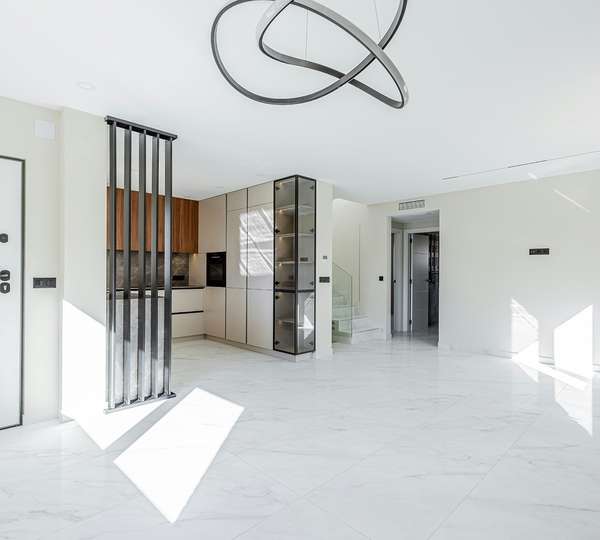
How to prepare your apartment for sale
02.07.2026
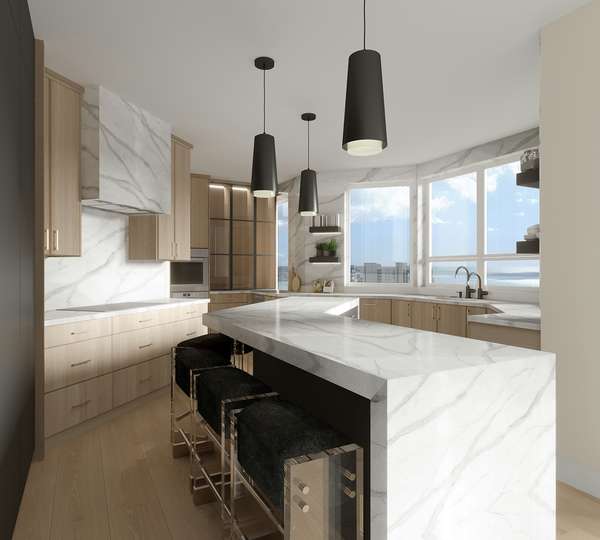
Renovations that pay off: which investments truly increase apartment value
03.06.2026

How to set the right price when selling an apartment in Skopje
27.04.2026
Renting or buying in North Macedonia in 2026 — what's smarter?
13.04.2026

First year as a flat owner: what awaits you after buying
14.08.2026
Buying off-plan: what you need to know before signing
04.08.2026
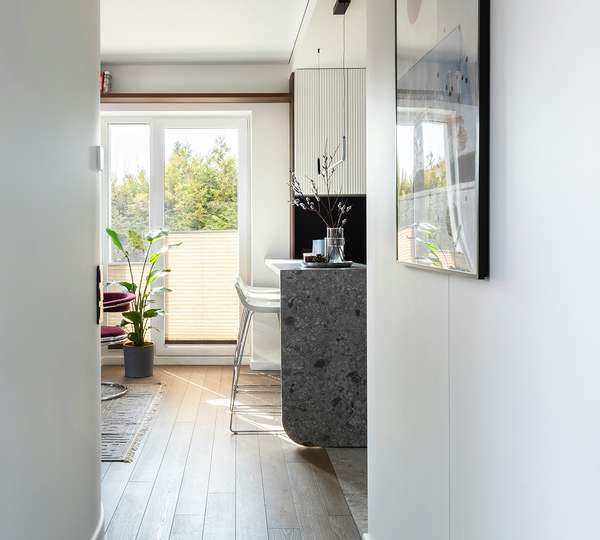
How to Make a Small Apartment Look Bigger: Visual and Practical Tricks
23.07.2026

Short-term rental: basics for Airbnb-style letting in Skopje
22.07.2026
Ǵorče Petrov: more space for less money on Skopje's western edge
16.07.2026

Debar Maalo: the bohemian pocket of Skopje's center
14.07.2026

Čair and Gazi Baba: Skopje's affordable market with untapped potential
09.07.2026
Taftalidže: the quiet premium zone between Karpoš and the center
07.07.2026