How to Get a Mortgage in Macedonia: A 2026 Guide
02.05.2026
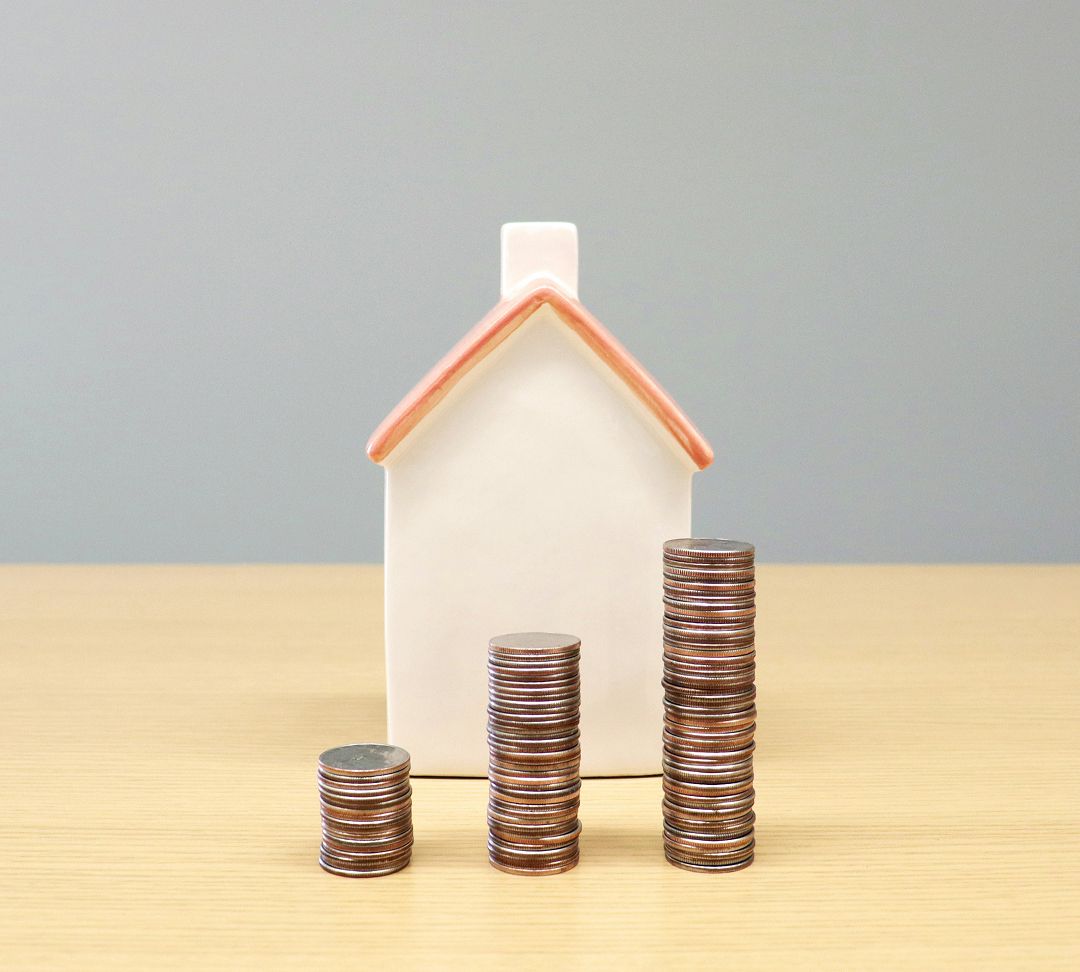
For most buyers in North Macedonia, a loan is what makes purchasing an apartment a reality. However, the process often seems confusing from the very first moment — what documents are needed, which bank offers the best terms, what annual interest rate actually means, and how long it takes from application to receiving the keys. This guide covers the key questions, with current information on conditions in 2026, so you can walk into a bank prepared and with clear questions.
Who Can Get a Loan
Banks in Macedonia approve mortgages for adults with stable monthly income. The main criterion is the ratio between the monthly installment and your regular income — generally, banks do not allow total monthly obligations (mortgage plus other loans and credit cards) to exceed 40 to 50 percent of net salary.
A second key factor is employment history. If you're permanently employed, most banks require at least six months with your current employer. Self-employed individuals and business owners can get a loan, but they usually need to prove at least two years of stable operation through tax returns and financial statements.
Age also plays a role — most banks require the loan to be fully repaid before the applicant turns 70 or 75, which practically means that if you're 50 years old, the repayment term won't be 30 years.
Interest Rates and Terms in 2026
Average interest rates for mortgages in Macedonia currently range around 3.5 to 4 percent. This is a significant improvement compared to a few years ago and makes mortgages more affordable than in many countries in the region.
Banks in Macedonia offer three basic types of interest rates. A fixed rate is the same for the entire repayment period and offers predictability — a good choice if you want to know exactly how much you'll pay monthly. A variable rate changes with market conditions and usually starts lower, but can increase. A combined rate is fixed for the first few years (usually three to five), then switches to variable — a practical compromise between security and potential savings.
The repayment term can be up to 30 years, but this isn't always the best choice. A longer term means a smaller monthly installment, but much more interest paid overall. A short term of 15 years means a higher installment, but significantly lower total loan cost.
What Documents You Need
Before applying, prepare the following documents: ID card or passport, employment confirmation from your employer, net salary statement for the last three or six months, bank account statements for the same period, certificate that you have no outstanding overdue obligations to the Public Revenue Office, and proof of other regular income (if any).
For the property itself, you'll need a purchase agreement with the seller, a property deed from the cadastre no older than 30 days, and identification documents of the seller. The bank then engages its authorized appraiser who performs an assessment of the market value of the property.
The Down Payment You Bring
Banks in Macedonia typically finance between 70 and 90 percent of the assessed value of the property. This means you need to provide a minimum of 10 to 30 percent as your own contribution, plus all costs related to the transaction (taxes, notary, lawyer).
For an apartment of €100,000, this means you need to have at least €15,000 to €30,000 before applying — a serious sum that many buyers save for years. The larger your own contribution, the better the terms you'll get from the bank, because the risk for them is lower.
The Process from Application to Keys
The entire process usually takes between four and eight weeks. The first step is an initial consultation with a bank where the representative will preliminarily tell you whether you meet the requirements at all and what amount you can expect. This is often free and doesn't commit you to anything.
After choosing a specific apartment, you apply formally and submit complete documentation. The bank conducts a property appraisal, a check of your credit history, and an analysis of your financial capacity over two to three weeks. If approved, you receive an offer with precise terms.
After accepting the offer, a loan agreement is signed and a mortgage is registered in the cadastre. Simultaneously or immediately after, the purchase agreement is signed with a notary. The bank transfers the money directly to the seller's account, usually after the certification and registration of ownership are confirmed.
Mistakes to Avoid
Don't apply to just one bank. Terms can differ significantly — a half-percent difference in interest rate over 25 years means tens of thousands of euros difference in total cost. Request formal offers from at least three banks and compare them carefully. Don't just look at the interest rate but also at commissions, the insurance required, and any penalties for early repayment.
Don't push all your finances to the edge. The monthly installment should leave room for unforeseen expenses, illness, or temporary income drops. Financial advisors recommend an installment that doesn't exceed 30 percent of monthly salary, even though banks allow more.
And finally, don't sign a purchase agreement before you have preliminary confirmation from the bank. If the loan isn't approved, you risk losing the deposit.
Prepare Well in Advance
Buying with a loan isn't a simple process, but it's completely feasible for well-prepared buyers. On Hommex you can explore the current market, compare prices by neighborhoods, and get a clear idea of how much of a loan you'll actually need — the foundation for all subsequent conversations with banks.
Related articles

Buying Property as a Foreigner in North Macedonia
12.06.2026
Taxes and Costs When Buying Property in North Macedonia
29.04.2026
How to Make a Small Apartment Look Bigger: Visual and Practical Tricks
23.07.2026

Short-term rental: basics for Airbnb-style letting in Skopje
22.07.2026
Ǵorče Petrov: more space for less money on Skopje's western edge
16.07.2026
Debar Maalo: the bohemian pocket of Skopje's center
14.07.2026
Čair and Gazi Baba: Skopje's affordable market with untapped potential
09.07.2026
Taftalidže: the quiet premium zone between Karpoš and the center
07.07.2026
How to prepare your apartment for sale
02.07.2026
New build or old: which is the better choice for your next apartment
10.06.2026
Renovations that pay off: which investments truly increase apartment value
03.06.2026
Hommex Expands to Serbia: What the Expansion Means for the Real Estate Market in the Region
18.05.2026