Market Report: Q2 2026, slower price growth and record volume
20.08.2026
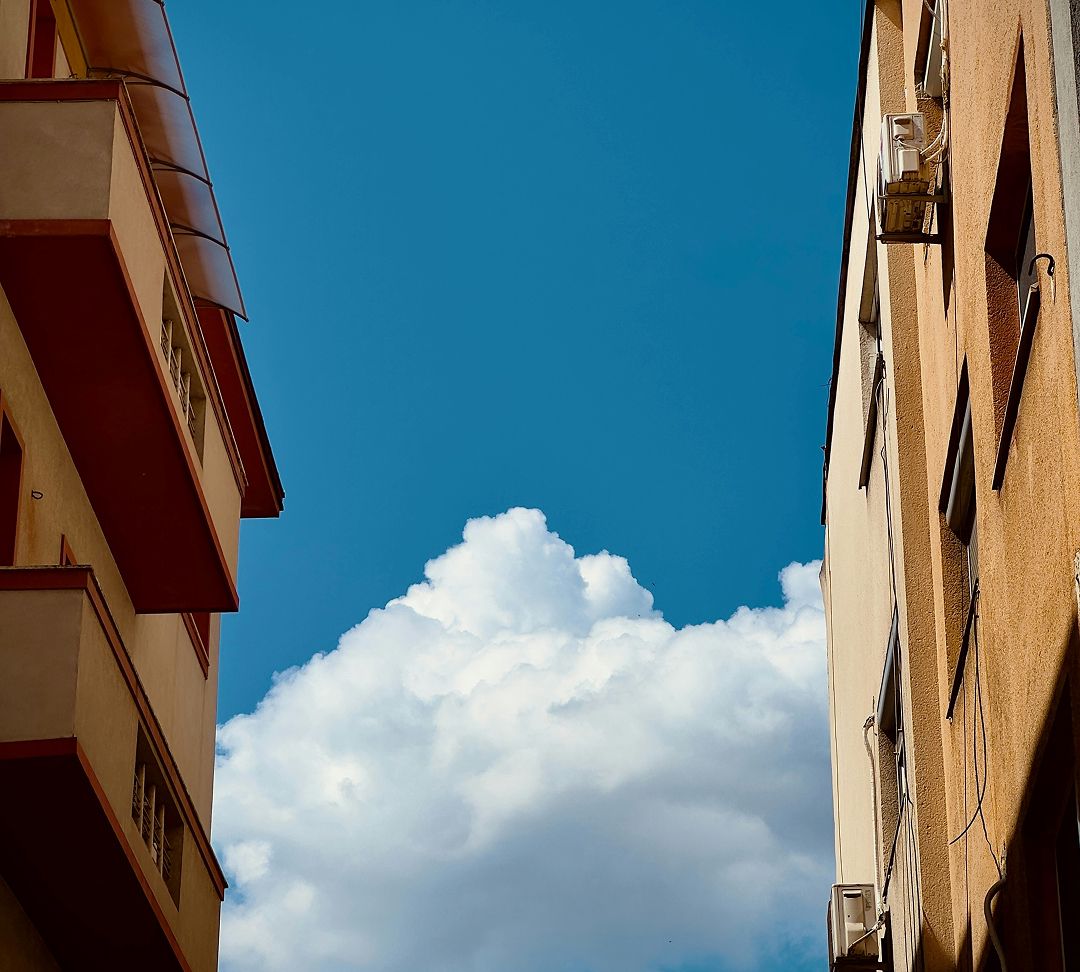
The second quarter of 2026 brought a picture that at first glance seems contradictory. Listed prices are growing more slowly than a year ago, while at the same time the number of concluded contracts and the total market value jumped upward. Both statements are true. The difference is that they measure different things, from different sources, at different moments in the buying process.
The NBRSM index shows deceleration
The National Bank published the Housing Price Index for the second quarter at the beginning of July. Annual growth stands at 13.3 percent, noticeably less than the 16.6 percent recorded in the first quarter. This is the second consecutive quarter in which the annual rate has declined, after the peak reached in the second half of 2025.
Quarterly, however, the index rose by 5.5 percent, which is not a small figure. This index covers only the territory of the city of Skopje and is calculated based on listed, not realized prices. In practice, it measures sellers' expectations at the moment they post the listing. Realized transactions are recorded separately, through the Price and Rent Register of the Real Estate Cadastre Agency, and there the figures consistently come out lower than listed prices. When you read headlines about apartment prices, the first question should always be whether it concerns asking or paid price.
Volume rebounded after a weak first quarter
The first quarter was weak. 7,757 transactions were registered, 16.4 percent fewer than the last quarter of 2025, and the number of apartments sold fell by 27 percent. That drop created the impression that the market was cooling down.
The second quarter contradicted that. According to the Cadastre report published at the end of July, 8,369 sales and leases were registered in the period from April to June, a growth of 7.9 percent on a quarterly level. Total financial value reached €351.7 million, an increase of 27.3 percent. The number of apartments sold rose by 37 percent, and their value by 43 percent. For houses the growth is more moderate, 13 percent more sales and 22 percent higher value.
Combined for the first six months, over €600 million was spent on real estate in the country, of which about half goes to apartments alone. The gap between the number of transactions, which is growing moderately, and the value, which is growing faster, means that more expensive units are being sold, not just more units.
New construction is driving the growth
The clearest driver in the quarter is new construction. In the second quarter across the entire territory of the country, 943 newly built apartments sold directly from developers were registered, 231 apartments or 32 percent more compared to the first quarter, and about 40 percent more compared to the same period last year.
What follows is perhaps more interesting for long-term planning. So far, 28,352 building pre-registration records have been entered in the Cadastre, meaning buildings in the construction phase that will only come to market in the future. Supply in the coming quarters will not be a problem to the same extent as in the past two years, at least not in the new construction segment.
Where is this happening
By municipalities, Aerodrom is the most active with 600 sales and leases, followed by Centar with 571 and Karpoš with 486. At the top are also Gazi Baba, Bitola, Kisela Voda and Kumanovo. Aerodrom is also first in the number of apartments sold, 297 in one quarter, which confirms the municipality's already well-known position as the largest residential market in the city. The most house sales were registered in Bitola, and commercial space in Centar.
The two price records in the quarter are worth mentioning because they show the upper limit of the market. The highest price for a new apartment from a developer is 206,640 denars per square meter, or €3,360, for a 50-square-meter apartment in Centar sold for €168,000. In the old construction stock, the highest per-square-meter price was registered in Ohrid, €3,200, for a 66-square-meter apartment with a total price of €211,200. The threshold of €3,000 per square meter, which until recently was an exception, now appears in multiple transactions.
Rental is moving in the opposite direction
The rental market is moving in the opposite direction from sales. In the second quarter, 2,148 leases were recorded, a drop of 17 percent on a quarterly level. For apartments, the number of leases fell by 14 percent, and total monthly rent by 9 percent. Houses recorded an even more pronounced drop, 24 percent fewer contracts.
Total monthly rent in the market, however, amounts to about €1.2 million and is 9 percent higher than the first quarter, meaning fewer contracts bring in more money. The largest share of leases, 44 percent, relate to commercial space, while apartments account for 29 percent.
Loans are becoming more expensive, but demand is not weakening
On June 16, the National Bank raised the key interest rate from 4.00 to 4.25 percent, the first increase after a series of reductions. The reason is inflation, which slowed to 4.8 percent in May but remained above the target level. The average interest rate on newly approved loans for households in June stands at 4.71 percent.
Despite this, housing loans are growing at 16.6 percent annually and remain the fastest-growing category. The non-performing loan rate is at a historic low of 1.9 percent. Demand, therefore, is not retreating, but the conditions under which it is financed are becoming slightly tighter than six months ago.
What to take from all this
For buyers, this is a market in which listed price and paid price are starting to diverge. When annual growth in asking prices slows while volume grows, negotiating room usually opens up for apartments that have been on the market longer. It's worth tracking how long a listing has been active, not just what the price is.
For sellers, the second quarter was good and will likely look good in autumn as well. However, growth of 5.5 percent quarterly in asking prices carries a risk of overpricing, especially for older construction stock in parts of the city where new construction directly competes.
The next official figures come in early October for the NBRSM index and toward the end of October for the Cadastre report. Until then, Hommex remains the place where movements can be tracked between quarterly reports, through listings that appear daily and through notifications for saved searches. Buy and rent simply, with data that put headlines in context.
Related articles

Market Report: Skopje Q1 2026 — Stabilization After Record Growth
10.04.2026
Red flags when viewing an apartment: what to watch out for before you sign
19.08.2026

First year as a flat owner: what awaits you after buying
14.08.2026
Buying off-plan: what you need to know before signing
04.08.2026

Most Common Mistakes When Selling an Apartment and How to Avoid Them
30.07.2026
How to Make a Small Apartment Look Bigger: Visual and Practical Tricks
23.07.2026

Short-term rental: basics for Airbnb-style letting in Skopje
22.07.2026
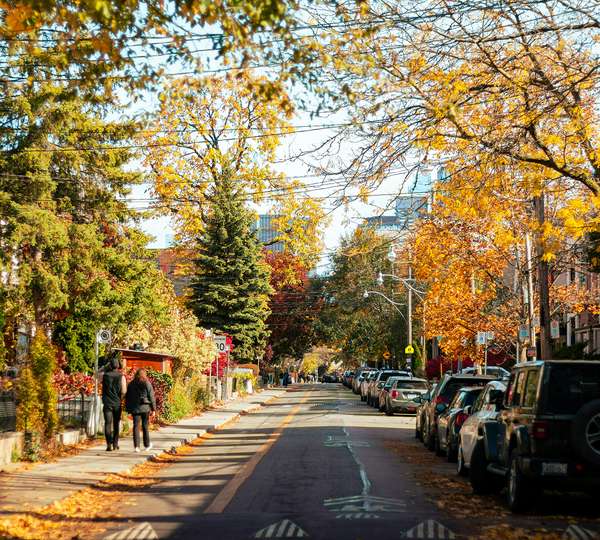
Ǵorče Petrov: more space for less money on Skopje's western edge
16.07.2026
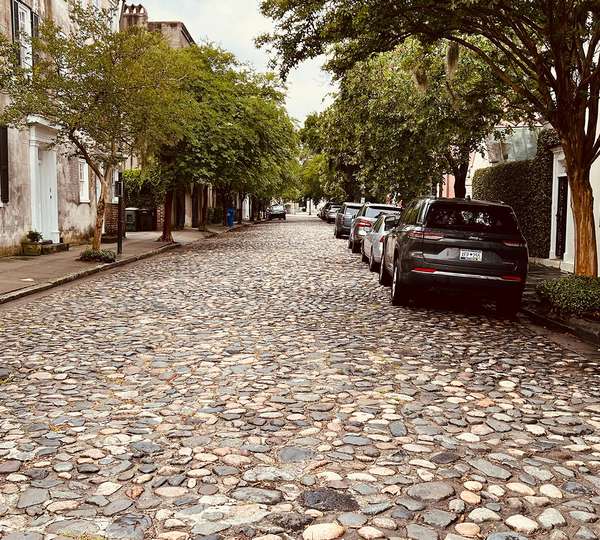
Debar Maalo: the bohemian pocket of Skopje's center
14.07.2026
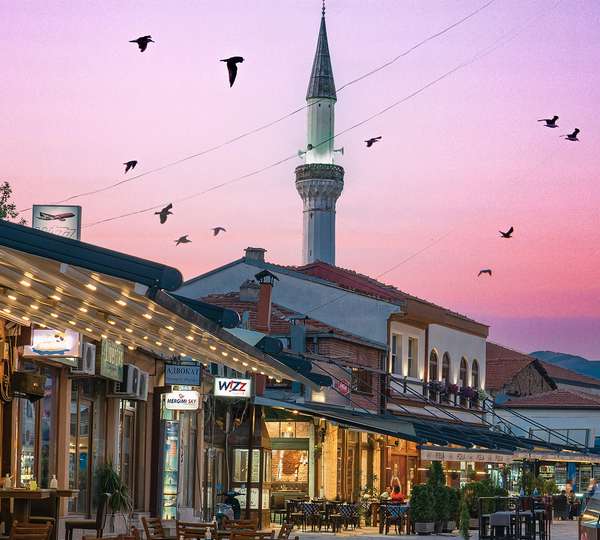
Čair and Gazi Baba: Skopje's affordable market with untapped potential
09.07.2026
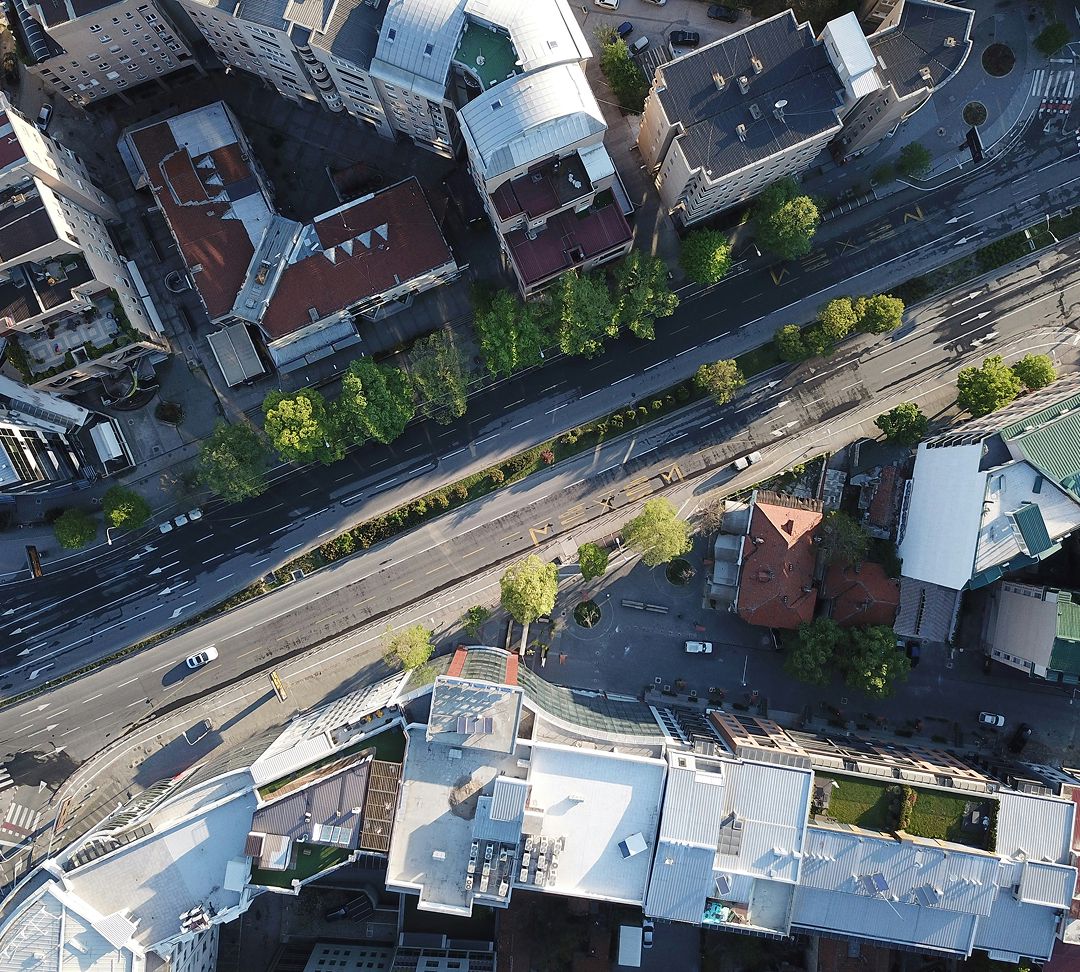
Taftalidže: the quiet premium zone between Karpoš and the center
07.07.2026
How to prepare your apartment for sale
02.07.2026