Buying Property as a Foreigner in North Macedonia
12.06.2026

North Macedonia has appeared on the radar of an increasing number of foreign buyers in recent years. Affordable prices compared to the rest of Europe, market stability, and the flexibility of the legal framework attract various profiles - from diaspora returning home, to retired citizens from Western European countries, to investors seeking a market with better yields.
However, the process for a foreign buyer is not identical to that for a domestic one. There are specific legal requirements, additional documentation, and real practical issues that need to be understood before the transaction begins. This guide covers the most important aspects.
The legal framework in essence
North Macedonia operates under the principle of reciprocity - foreign nationals can buy property if their countries allow the same for Macedonian citizens. For European Union citizens, this principle poses no obstacle, and the process is largely free.
For citizens outside the EU, the situation depends on the specific country. The list of countries with which reciprocity exists is quite broad and covers most developed nations, but checking the current status is the first necessary step. A lawyer specialized in property law can confirm this within an hour or two.
There is a difference between various types of property. Buying an apartment, house, or residential property is generally open to foreign buyers. Buying agricultural land is significantly more restrictive and often requires forming a legal entity in the country.
The buying process
For a foreign buyer, the basic steps are the same as for a domestic one - finding a property, checking documents, signing a contract at a notary, registration in the cadastre. However, each of these phases carries additional nuances.
First, identification documentation. In addition to personal documents (passport, or ID card for citizens from countries where it is valid), foreign buyers often need to obtain a unique identification number in North Macedonia. This process is straightforward - it is processed at the police station or through an authorized intermediary within a few days.
Second, the origin of funds. The anti-money laundering process applies to all transactions, and for foreign buyers it is often under greater scrutiny. Bank statements from the country of origin, proof of income or sale of previous property, and formal notarized confirmation of the legitimacy of funds may be required.
Third, optional but often recommended, opening a current account in a Macedonian bank. Although the transaction can be executed through foreign bank accounts, a domestic account makes administrative work significantly easier, especially for paying utilities, taxes, and other regular expenses as a new owner.
Taxes and costs
The tax framework for foreign buyers is the same as for domestic ones - property transfer tax 2-4 percent, or VAT of 5 percent for new construction. There is no additional tax due to foreign citizenship.
However, there are issues specific to foreign status. Double taxation, for example - if you are a resident of a country that has a double taxation avoidance agreement with North Macedonia, income from potential rental of the property will be taxed only once. If there is no such agreement, you may pay tax both here and in your country of residence.
Capital gains on eventual sale are also subject to specific considerations. The tax exemption after three years of ownership applies to foreign buyers as well, but currency fluctuations between the denar and the currency of the country of residence can significantly complicate the calculation of the real gain.
It is advisable, for buyers with a certain complexity of situation, to consult a tax advisor before finalizing the purchase.
Practical aspects for everyday life
For buyers who plan to live in North Macedonia as well, or regularly use the property, several practical issues are worth resolving in advance.
Residency visa or residence permit does not come automatically with buying property. These are separate processes, although the property can be a supporting document when applying for certain types of residence permits. EU buyers have simplified conditions for residence, while for other nationalities the process is more active.
Health insurance, schools for children if you're planning a family move, opening bank accounts, vehicle registration - all these elements are separate processes that happen parallel to buying the property.
Who to engage
For foreign buyers, engaging a quality lawyer is not just a recommendation - it is almost a mandatory element. A lawyer who speaks your language, understands the specific context of a foreign buyer, and has experience with international clients makes the difference between a process that runs smoothly and a transaction with constant delays.
Similarly, a notary with experience working with foreign documents is important. Documents from abroad often require translation by a certified translator and legalization (Apostille), and a notary who knows these procedures speeds up all formalities.
If you don't speak Macedonian, a translator at signing is mandatory by law. Don't trust the process to friends or general translators - legal signings require certified translators who sign their signature under the contract.
Types of property most commonly chosen
Different profiles of foreign buyers choose different types of property.
Diaspora returning or planning to return later often choose apartments in Skopje, in Karpoš or Taftalidže, or family houses in their parents' neighborhoods. These buyers have the advantage of knowing the market and are often accessible to the same prices as domestic buyers.
Retirees from Western Europe, especially from Germany, the Netherlands, and the Scandinavian countries, find houses in smaller towns or villages attractive. Prices are significantly lower than their home markets, and the quality of life - air, nature, pace - suits them at this stage of life.
Investors seek properties with growth potential or for rental. These buyers are often oriented toward central locations in Skopje with clear potential for short-term or long-term rental.
Hommex.co offers detailed listings in Macedonian, with clear descriptions of location and specifications. Hommex Chat enables direct communication with owners and agencies before viewings, which is especially useful for buyers who are not in the country every day. Buy and rent easily, no matter where you come from.
Related articles

How to Get a Mortgage in Macedonia: A 2026 Guide
02.05.2026
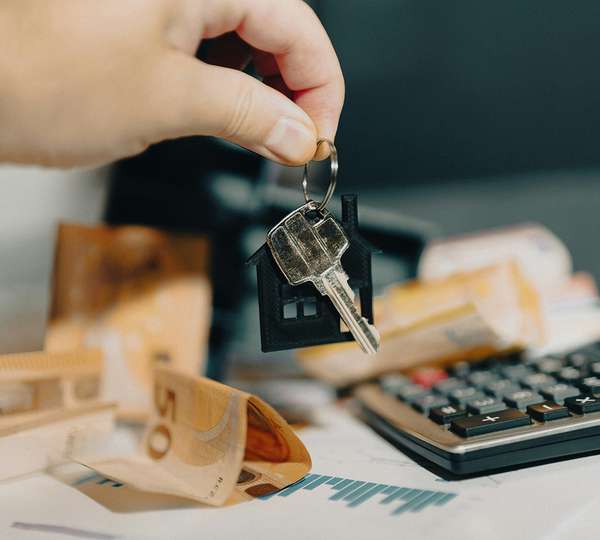
Taxes and Costs When Buying Property in North Macedonia
29.04.2026
New build or old: which is the better choice for your next apartment
10.06.2026
Renovations that pay off: which investments truly increase apartment value
03.06.2026
Hommex Expands to Serbia: What the Expansion Means for the Real Estate Market in the Region
18.05.2026

Renting an apartment in Skopje: what to check before signing the contract
13.05.2026

How Hommex AI Helps You Write a Listing That Actually Sells
11.05.2026
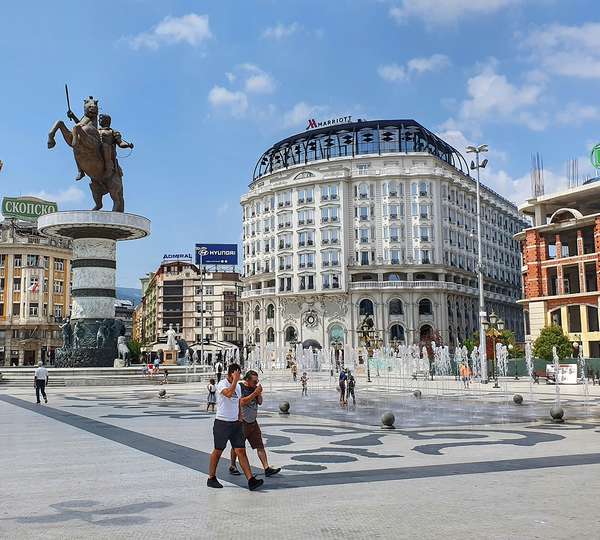
Skopje city center: life in the heart of the city
08.05.2026
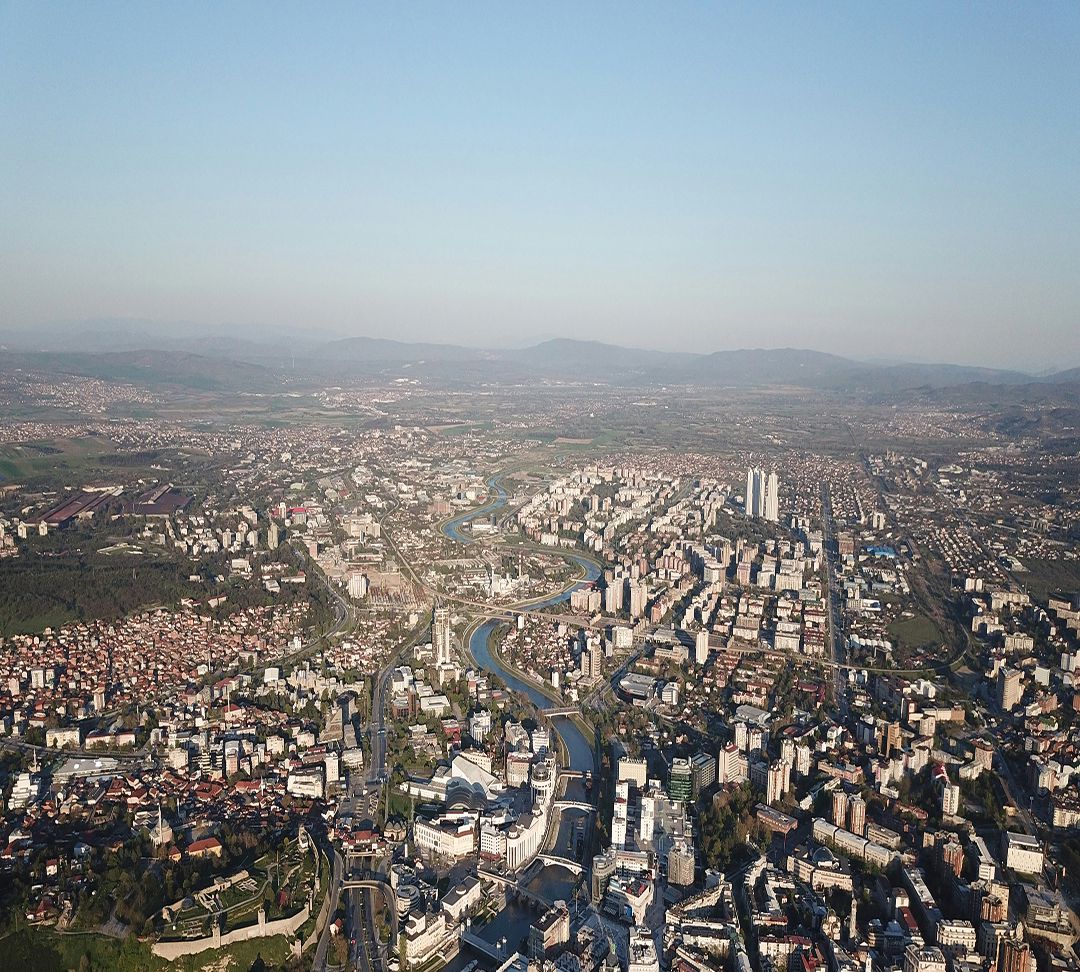
Aerodrom: a modern neighbourhood with excellent quality of life
06.05.2026
Karpoš: A Guide to One of Skopje's Most Sought-After Neighborhoods
04.05.2026

How to set the right price when selling an apartment in Skopje
27.04.2026
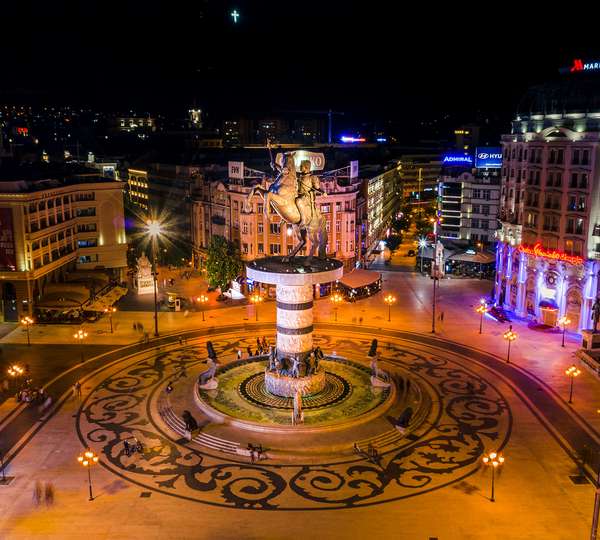
Top 5 Neighborhoods in Skopje for Families in 2026
23.04.2026